GENERAL
Tajikistan to Host Water Conference, Yet Residents Suffer from Shortages
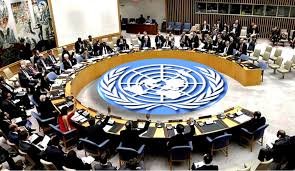
On September 2, 2026, the United Nations General Assembly adopted a resolution approving the modalities for the UN Water Conference in 2028 in Dushanbe. According to the resolution, the Conference will be held in Dushanbe from May 4 to 6, 2028. This was reported by the press service of the Ministry of Foreign Affairs of […]
On September 2, 2026, the United Nations General Assembly adopted a resolution approving the modalities for the UN Water Conference in 2028 in Dushanbe.
According to the resolution, the Conference will be held in Dushanbe from May 4 to 6, 2028. This was reported by the press service of the Ministry of Foreign Affairs of Tajikistan.
This resolution provides for the approval of the final document, the “Dushanbe Framework Program on Water Issues”.
A key element of the adopted resolution is the decision that the 2028 Conference is intended to become a unified basis for further activities in the water sector upon the completion of the Water Action Decade.
According to the Tajik authorities, this document will create conditions for continued international cooperation in water resource management after the completion of the International Decade for Action “Water for Sustainable Development – 2018-2028”.
It was also decided that a high-level meeting would be held at the UN headquarters in New York in 2027 to prepare for the conference in Dushanbe.
Tajikistan has recently been considered one of the most active countries in promoting international initiatives on water issues and has already hosted several high-level meetings and conferences on this matter.
Despite Dushanbe hosting the highest-level conference on water issues, residents in Tajikistan itself still face a shortage of clean drinking water.
According to official data from the Housing and Communal Services Committee under the President of Tajikistan, by the end of 2025, only 67.3% of the population, or approximately 6.9 million residents, will have access to a centralized water supply system. This means that more than 3 million residents of the country still do not have constant access to clean drinking water.
According to Jamshed Tabarzoda, Chairman of the Housing and Communal Services Committee, the level of access to drinking water in cities reaches 90%, but in rural areas, this figure is only 57.8%. In many villages across the country, residents use water from rivers, wells, or natural springs. In some regions, water is delivered by tankers, and residents store it in concrete reservoirs or tanks for subsequent use.
Critics note that although Tajikistan is considered one of the main authors of water initiatives globally, the country has still not been able to provide its own population with access to clean and safe water.